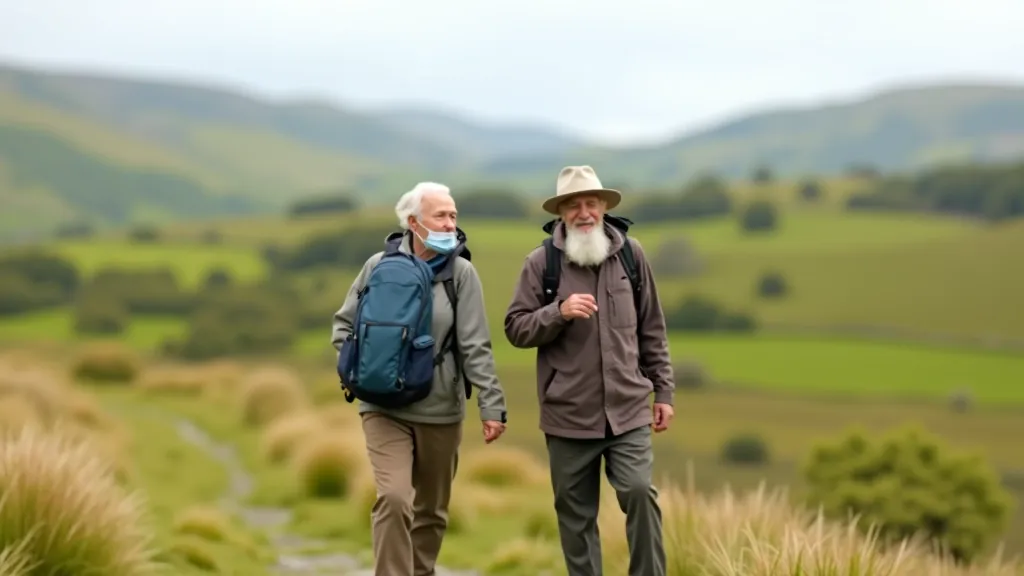
Mullaghmore Mountain Loop — The Perfect Beginner Route
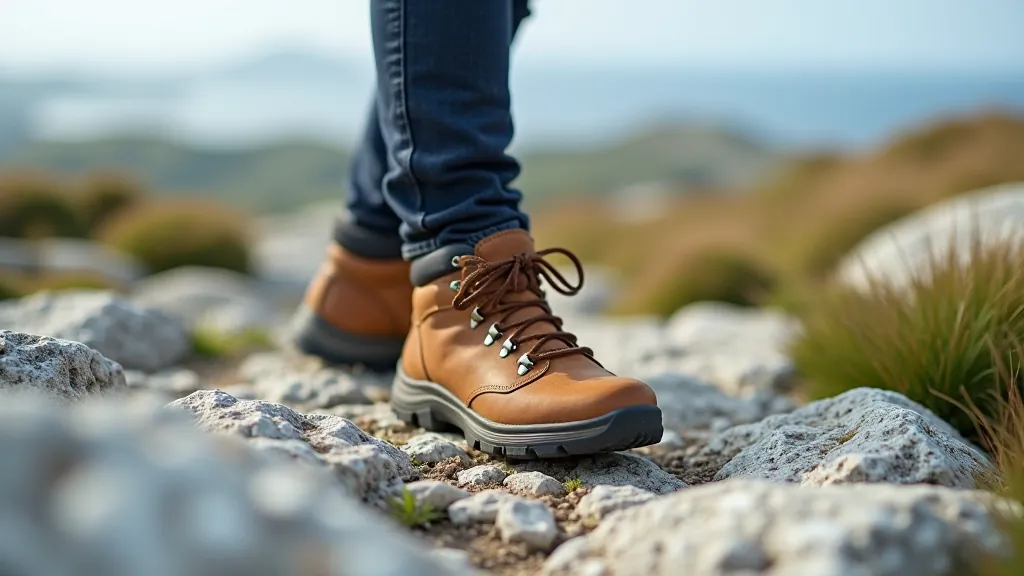
A 6km loop with incredible views. Mostly level terrain on limestone, gentle inclines, and plenty of rest spots along the way.
The Burren's unique ecosystem means you'll spot plants and animals you won't find elsewhere. A simple guide to what's actually worth stopping for.
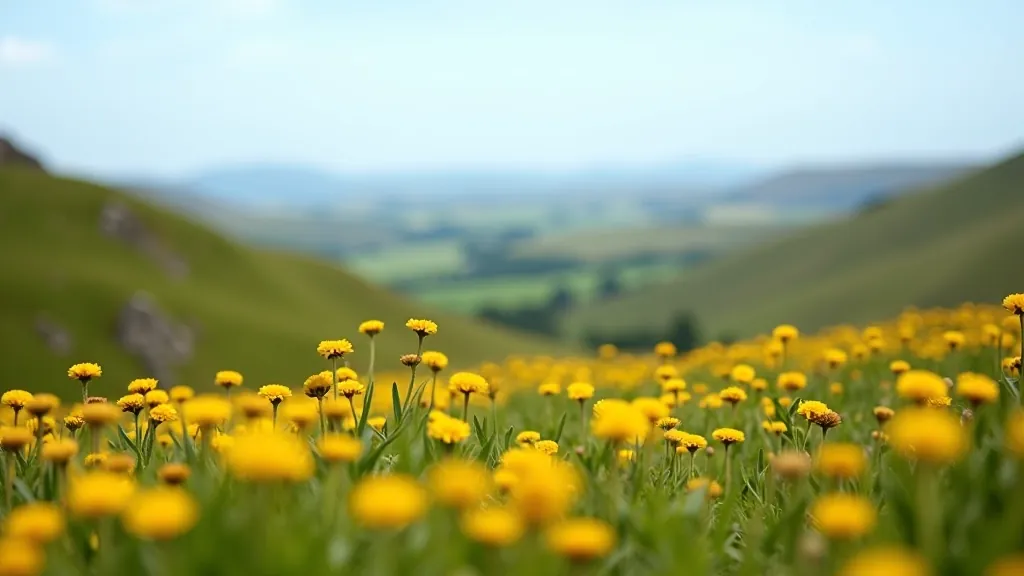

The Burren isn't like other Irish landscapes. It's a limestone plateau — bare, rocky, and at first glance, quite harsh. But that's exactly what makes it special. The exposed limestone creates its own microclimate. Plants that'd normally need soil find cracks in the rock. Animals adapted to this specific environment thrive here.
You'll walk past wildflowers in May and June that most people never see. Orchids, saxifrages, gentians — they're small but stunning when you stop to look. And the wildlife? Rabbits are everywhere. Lizards dart across the rocks. If you're patient and quiet, you might spot a stoat or a kestrel overhead.
Here's the thing: you don't need to be a naturalist to enjoy it. Just knowing what you're looking at makes the walk feel richer. That's what we're covering.
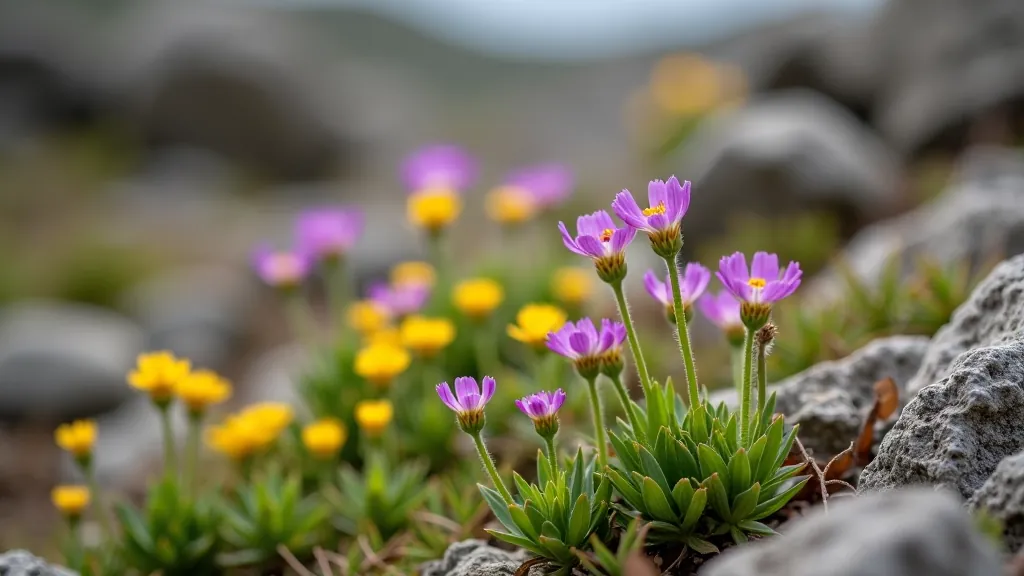
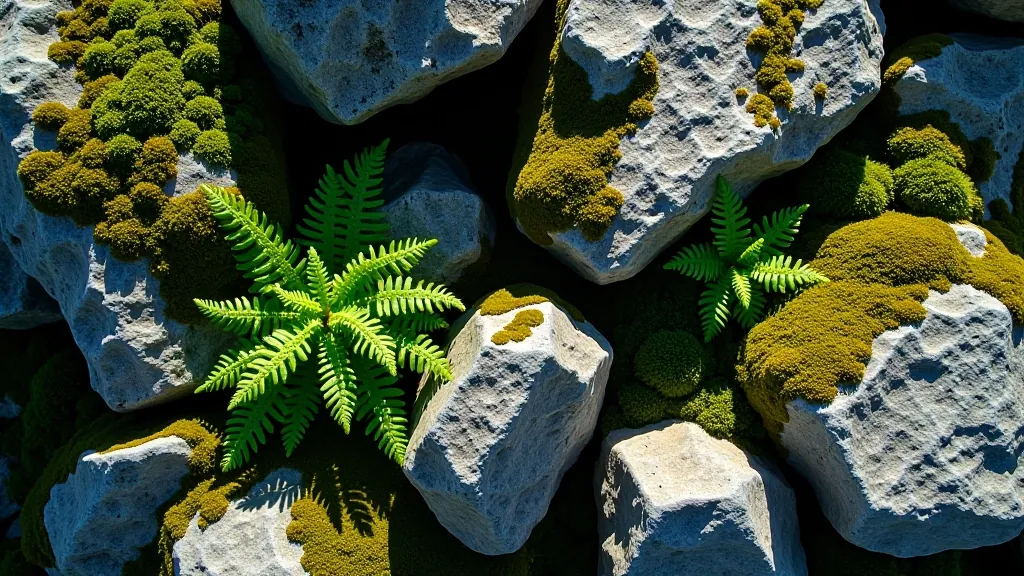
May and June are the months. That's when the Burren explodes with color — if you know where to look. The flowers aren't in neat patches. They're scattered across the limestone, tucked into crevices where soil's managed to accumulate over decades.
Bloody Cranesbill — bright pink-red petals, about the size of your thumbnail. You'll see these dotting the rockface in May. They're named after the shape of their seed pods, not anything sinister.
Mountain Avens — white flowers with yellow centers, delicate and easy to miss if you're walking quickly. Early summer, mostly on north-facing slopes. We're talking late May into June.
Gentians and Orchids — these are the gems. Fragile-looking but incredibly hardy. Purple gentians in spring, then various orchid species throughout summer. You won't find these on manicured golf courses. This is where they actually belong.
The wildflowers don't need special equipment to see. Just stop. Kneel down if your knees allow it. Spend 30 seconds looking at a patch of rock. You'll find something beautiful.
You won't need binoculars for the rabbits. They're everywhere on the Burren. Hundreds of them, probably. They've adapted perfectly to limestone terrain — the rock provides shelter, and they've got plenty of vegetation to graze. If you walk quietly in early morning, you'll see them grazing near the paths. They're not tame, so don't expect them to stick around, but they're curious. Sometimes they'll pause and watch you walk past.
Common Lizards are the real surprise for most visitors. They're small — maybe 15-20cm long including the tail — and they move fast. You'll catch movement on a sunny day, a blur of grey-brown across the rock. Stop and stay still, and you might get a proper look. They're harmless and fascinating to watch.
Kestrels hunt overhead regularly. You'll recognize them by the way they hover, wings beating steadily, watching for small mammals below. If you see a bird doing that distinctive hover, you're watching a kestrel hunting. It's one of the best sights on the Burren — nature doing what it's evolved to do.
Stoats and weasels are rarer to spot, but they're here. They're quick and shy, but if you're patient and walking the less-traveled paths, you might catch a glimpse. Most people walk for years without seeing one.
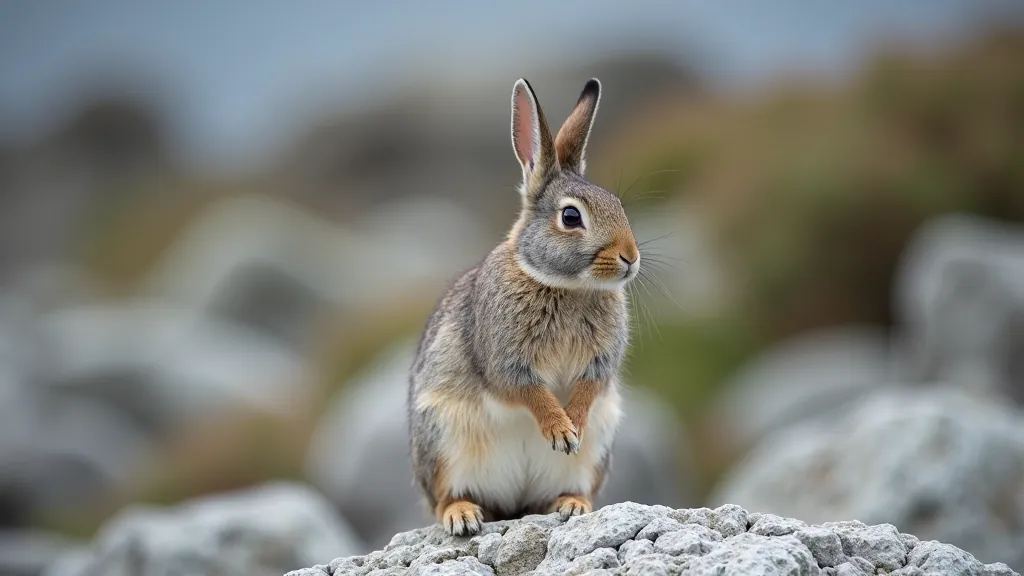
You won't see much if you're power-walking with headphones in. That's the honest truth. But if you slow down and use a few simple strategies, you'll see plenty.
Rabbits are most active in early morning, between 6-9am. Kestrels hunt in the afternoon when thermals are strong. Plan your walk around animal activity, not just your schedule.
Seriously. Slow down by half your normal pace. Stop every 50 meters and just look. Scan the rocks for movement. Listen. You'll hear things moving before you see them.
Not essential, but they help with birds overhead. A small pair (8x32 magnification) is lightweight and good enough. You'll spot kestrels and buzzards more clearly.
Wildflowers are at ground level. You need to get down to their level to really see them. If kneeling's difficult, just crouch and spend time really looking at the rocks.
Animals detect you by sound before sight. If you're talking loudly or crunching on gravel, everything within 100 meters will disappear. Walk quietly and you'll see ten times more.
May to September is ideal. Wildflowers peak in May-June. Rabbits and lizards are active spring through autumn. Winter's quieter, but you'll still see plenty.
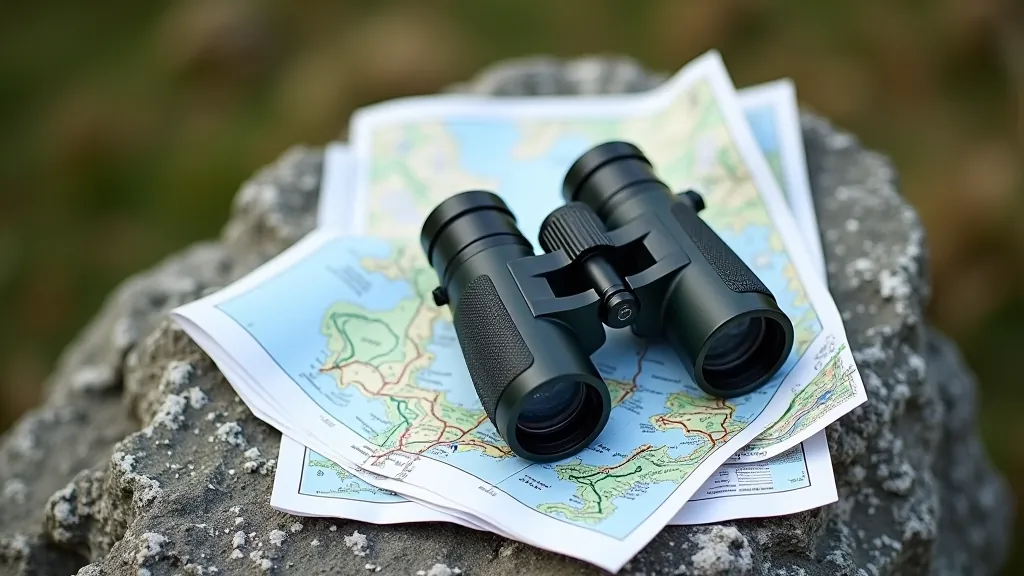
Here's what we recommend: Pick one section of the Burren trail and walk it slowly, spending 3-4 hours instead of 1-2 hours. Stop every 10 minutes and spend time really observing. Look up for birds. Look down for flowers. Look around for movement.
Keep a small notebook. Write down what you see. Not for a scientific study — just for yourself. You'll notice patterns. Certain flowers appear on certain rock types. Rabbits favor particular areas. Kestrels hunt over specific valleys. After a few visits, you'll start predicting where you'll see what.
Bring a wildflower identification app on your phone. We recommend Plantsnap or Merlin Bird ID (also free). When you see something interesting, take a photo and let the app identify it. You'll learn the names and features quickly. Next visit, you'll recognize them instantly.
Most importantly, don't rush. The Burren isn't going anywhere. The wildlife isn't either. Slow down, stay curious, and you'll see things most visitors miss completely.
The Burren's wildlife and wildflowers aren't just pretty to look at. They're a window into how nature adapts. These plants and animals evolved specifically for this harsh, rocky landscape. When you understand that, when you actually see the adaptations up close, the walk becomes more than exercise. It becomes education. It becomes connection.
You're not just walking a trail. You're walking through millions of years of natural history. And it's all still happening around you — the flowers still blooming, the rabbits still grazing, the kestrels still hunting. That's worth slowing down for.
This article provides educational information about wildlife and wildflowers found in the Burren region. Species identification is based on typical characteristics but can vary. For detailed botanical or zoological information, consult specialized field guides or local naturalist organizations. Weather conditions and seasonal variations may affect wildlife visibility. Always respect wildlife by maintaining safe distances and following local conservation guidelines. If you have specific wildlife-related questions, contact local Burren ecology centers or experienced nature guides in the area.