Mullaghmore Mountain Loop — The Perfect Beginner Route
A 6km loop with incredible views. Mostly level terrain on limestone, gentle inclines, and plenty of spots to rest.
Read moreThe weather on the Burren changes fast. We cover what actually works for seniors walking at different times of year.

You're not dressing for fashion when you're walking the Burren — you're dressing for conditions that shift without warning. We've seen it happen: bright sunshine at 11am, mist rolling in by 2pm, wind picking up before you head back down. The good news? It's not complicated. We're talking about layering, the one technique that actually works in Irish weather.
Most people overthink this. They buy expensive gear and still end up cold or overheating. The secret isn't the price tag — it's understanding how layers work and picking fabrics that won't fail you halfway up a limestone slope. After years of walking with seniors on these trails, we've figured out what genuinely keeps you comfortable. It's not rocket science, but it makes a real difference.
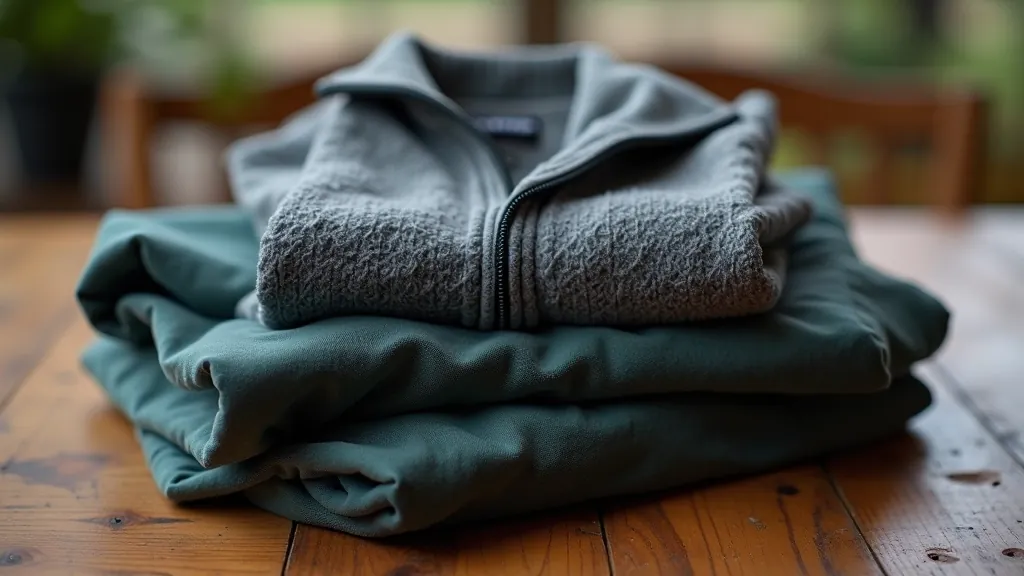
The Burren's weather isn't predictable, but layering is. Think of it as three jobs: the base layer pulls moisture away from your skin, the middle layer traps warmth, and the outer layer blocks wind and rain. You don't need to buy special "hiking" brands — regular clothes work fine if you understand the materials.
Base layer: Merino wool or synthetic (not cotton). Cotton holds moisture and you'll feel colder as the day goes on. A long-sleeve merino top under everything else keeps you dry and regulates temperature. You'll notice the difference within 30 minutes of walking.
Middle layer: Fleece or wool jumper. Something you can easily remove. On cooler mornings in April or May, you'll want this. By afternoon you might tie it around your waist. Fleece dries faster than wool if it gets damp from sweat.
Outer layer: Windproof jacket. Not waterproof necessarily — windproof. A lightweight breathable jacket stops the breeze without trapping heat. Pack it even on days that look clear. The wind picks up on exposed limestone faster than you'd expect.
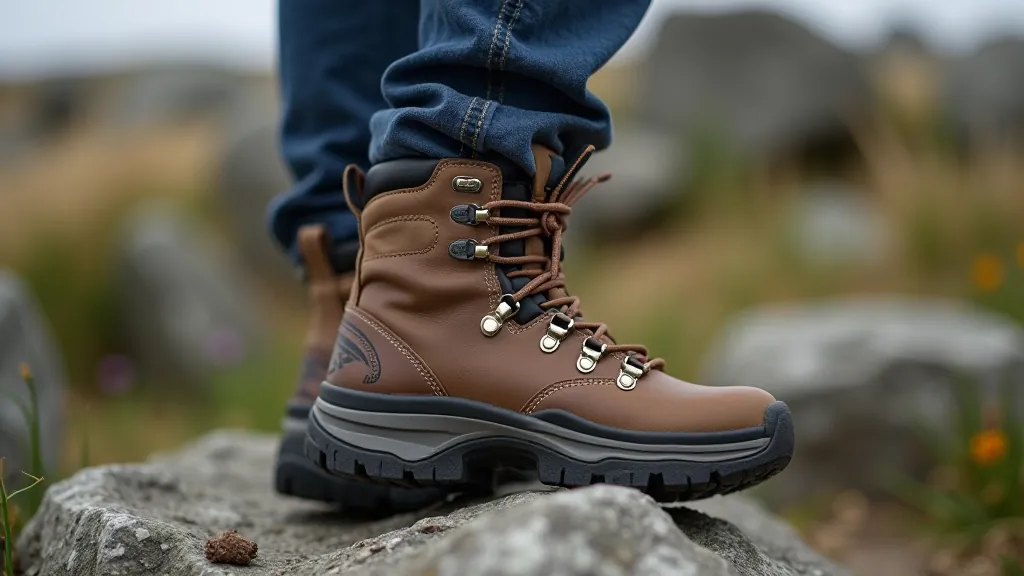
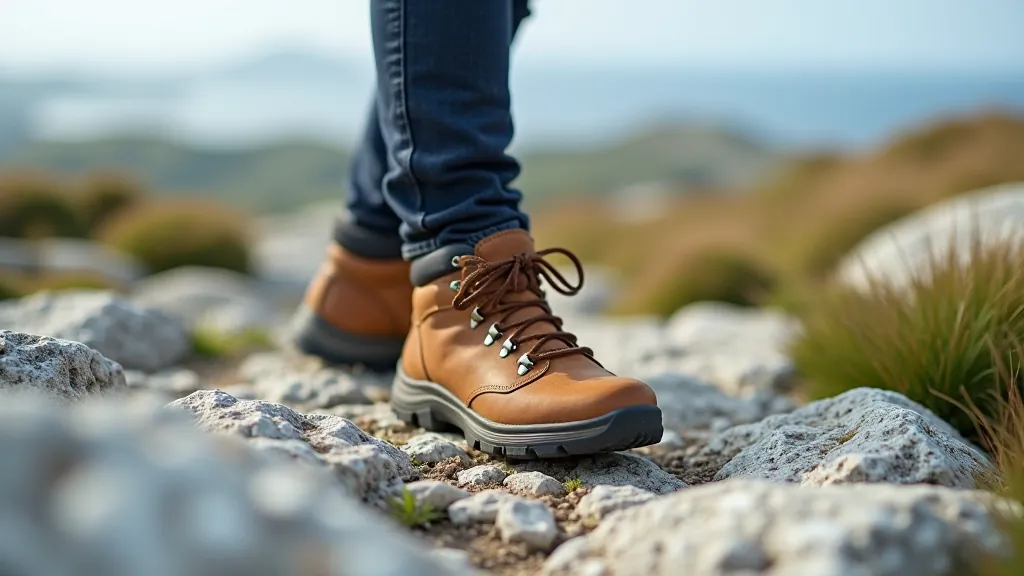
Your feet hit the ground for the entire walk. Get this wrong and nothing else matters. The limestone on the Burren isn't smooth — it's got edges and uneven sections. You need ankle support and grip.
Walking boots with ankle support aren't overkill — they're sensible. You don't need mountaineering boots. Something mid-height that fits snug at the heel prevents rolling your ankle on loose terrain. Good grip matters on wet stone. The sole pattern should have real tread, not flat hiking shoes.
Socks: merino or wool blend, not cotton. Thickness matters. Thicker socks cushion your feet over rough terrain and keep blisters away. Bring a spare pair — if your feet get wet, changing socks makes the walk bearable.
Break in boots at home first. Three or four short walks before you tackle a longer route. Your feet will thank you when you're on mile five of the Mullaghmore loop and everyone else is limping.
Pack it every time. Even on warm days. The exposure at 300+ meters elevation means wind arrives without warning. A lightweight jacket stuffs into a small pack.
Burren weather changes in 20 minutes. A compact umbrella or poncho adds minimal weight. Waterproof trousers aren't essential — you'll dry out — but they make walking in rain less miserable.
Limestone reflects sun intensely. Sunscreen gets reapplied mid-walk. A hat with a brim beats a cap — it protects your ears and neck, not just your face.
April through September you might not need them. October onwards, lightweight gloves prevent cold hands without overheating your core. Wool works better than cotton.
Spring (April-May): Mornings are cool, afternoons warm up. Start with all three layers and strip down as you warm up. You'll probably tie the fleece around your waist by midday.
Summer (June-August): Lighter layers. A breathable shirt and lightweight jacket are enough. Sun becomes your main concern — hat, sunscreen, and shade stops are important. Evening walks stay cool so pack something even if noon was warm.
Autumn (September-October): The change happens fast. Temperatures drop 5-10 degrees in two weeks. Layering becomes crucial again. Waterproof jacket moves from "optional" to "essential."
Winter (November-March): Full three-layer system every time. Thermal base layer, fleece, waterproof outer. Gloves and a beanie. Days are short — light fades by 4pm — so consider starting earlier and bringing a headlamp just in case.
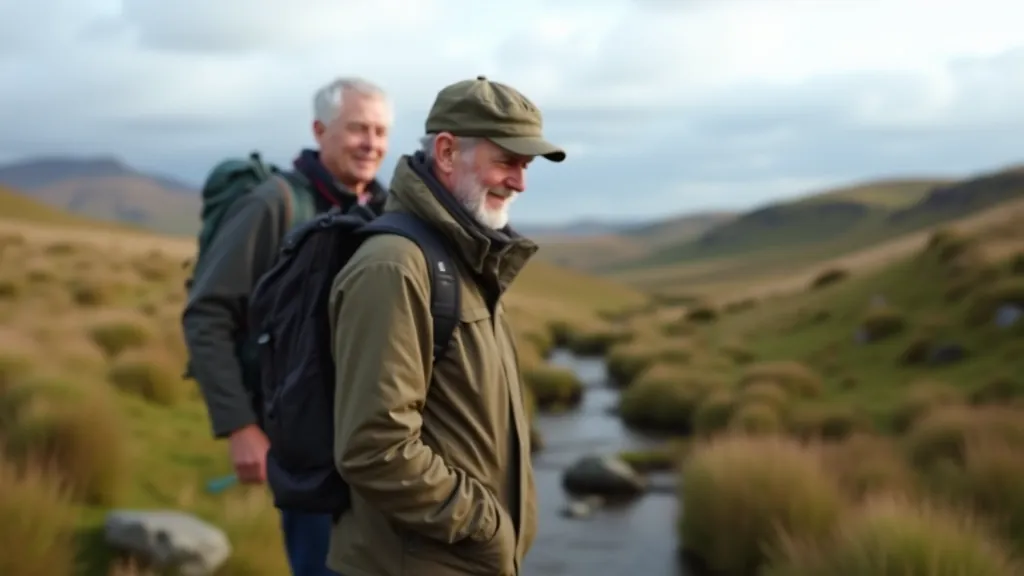
Cotton holds moisture and loses insulation when damp. Merino wool, fleece, and synthetic fabrics dry faster and keep working even when slightly wet.
Not for fashion — for visibility. Orange, yellow, or bright blue makes you easy to spot if someone's looking for you. Safety comes first.
Your spare fleece or lightweight top weighs nothing and takes up minimal space. If someone gets cold or you stay out longer than expected, it's a lifesaver.
Wear your hiking outfit on shorter walks before committing to a full route. Your feet, your layers, your pack — they all need testing in real conditions.
"I used to overdress or underdress every single walk. Then I understood layers weren't about fashion — they're about control. Now I pack smart and actually enjoy being outside in any weather."
You don't need expensive gear or a closet full of "technical" clothing. The Burren's limestone paths have been walked for thousands of years — most of that in wool and linen. Modern fabrics are better, but the principle is the same: layers work.
Your first walk, wear what you'd normally wear and pay attention. Are you cold at the start? Bring an extra layer next time. Getting too warm by noon? Lighter base layer. Every person's body runs different — what works for one person might not work for another. The system is flexible.
The goal isn't looking like a professional hiker. It's staying comfortable so you can focus on the walk, the landscape, and the feeling of moving through this unique place. Good clothing does that without fuss.
This article provides educational information about clothing choices for hiking in the Burren region. Weather conditions, individual physical capabilities, and personal comfort levels vary significantly. Always assess your own fitness, consult current weather forecasts, and consider bringing additional clothing or safety items based on your specific circumstances. If you have health concerns or are new to hiking, consult a healthcare provider or local guide before undertaking any trail.