


Why Pacing Matters on the Burren
Here's the thing about walking on limestone plateau terrain — it's not about speed. It's about rhythm. You could rush through a 6km loop in an hour, but you'd miss everything and feel exhausted. Better approach? Plan your day around rest stops and water breaks. We've been taking seniors on these trails since 2009, and the ones who enjoy themselves most are the ones who pace thoughtfully.
The Burren's rocky ground demands more from your legs than flat trails. Your muscles work harder on uneven surfaces. Add in the limestone's reflective heat on sunny days, and you're losing fluids faster than you'd think. That's why hydration isn't optional — it's foundational. A 5km walk becomes manageable when you're sipping water every 20 minutes rather than chugging a liter at the end.
The Rule of Thumb
Walk for 20–25 minutes, rest for 5–10 minutes. On the Burren specifically, this rhythm prevents both fatigue and the dehydration that sneaks up on you. Doesn't sound like much? After 3–4 cycles, you've covered real distance and feel fresh enough to explore.
Finding Your Rest Points
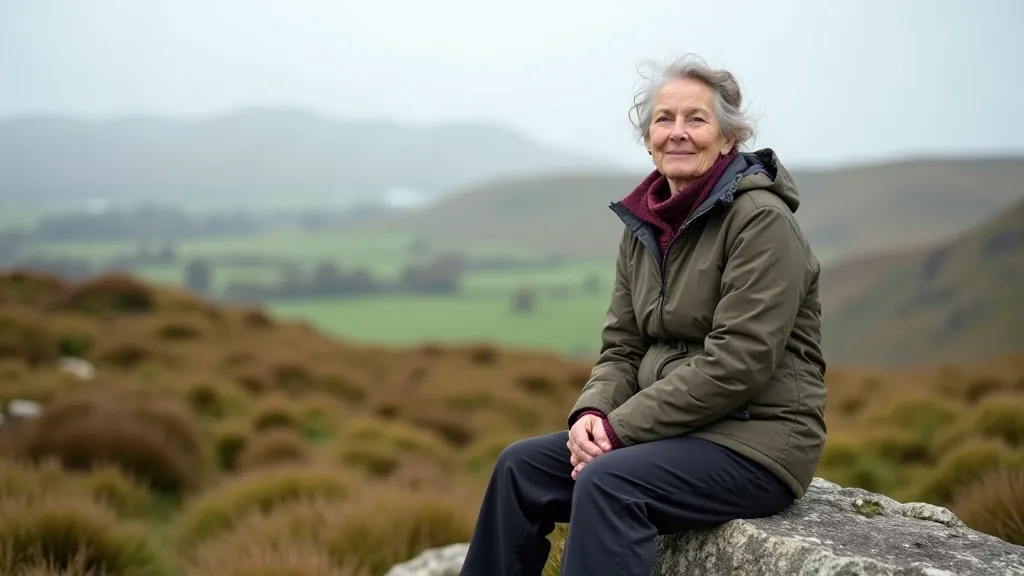
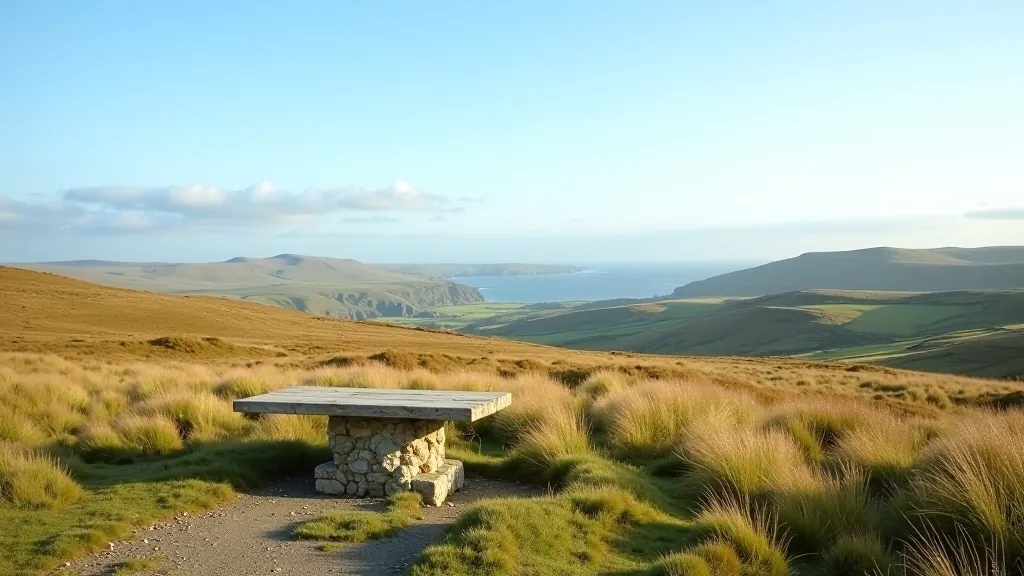
Every Burren route has natural pause spots. Some are obvious — a bench near the visitor center on Mullaghmore Loop. Others you discover: a flat rock formation, a patch of grass in shade. The best rest points combine three things: shelter from wind, actual sitting space, and a view that makes you want to linger.
Don't wait until you're exhausted to sit down. That's the mistake most people make. Instead, stop when you're still feeling strong. Your legs recover better, your mind settles, and you genuinely enjoy the landscape rather than just catching your breath. We typically recommend one substantial rest — 8–10 minutes — around the midpoint of any walk longer than 5km.
Practical Rest Stop Strategy
Find a spot where you can sit comfortably. Stretch your calves against a rock or lean against a wall. Eat a small snack — nuts, a banana, or a biscuit — because your body needs fuel, not just water. The combination of sitting, eating, and hydrating resets your energy for the second half.
A proper rest means 8–10 minutes minimum. Anything less and your muscles haven't actually recovered. Too long and you'll feel stiff when you stand up. Ten minutes is the sweet spot — enough to feel genuinely refreshed but not so long that you lose momentum.
Hydration — More Than Just Thirst
Here's what most people don't realize: by the time you feel thirsty, you're already slightly dehydrated. That means waiting until you're parched is waiting too long. On the Burren, where the wind and sun work together to dry you out faster, you need to drink before you feel the need.
We recommend carrying at least 1.5 liters of water for any walk longer than 4km. That's roughly 500ml per hour of walking. Drink 150–200ml every 15–20 minutes rather than chugging a huge amount at once. Your body absorbs smaller amounts better, and you'll feel steadier throughout the walk.
1.5L
Water for 4km walk
150-200ml
Every 15–20 minutes
20–25 min
Walking between rests
What to Bring
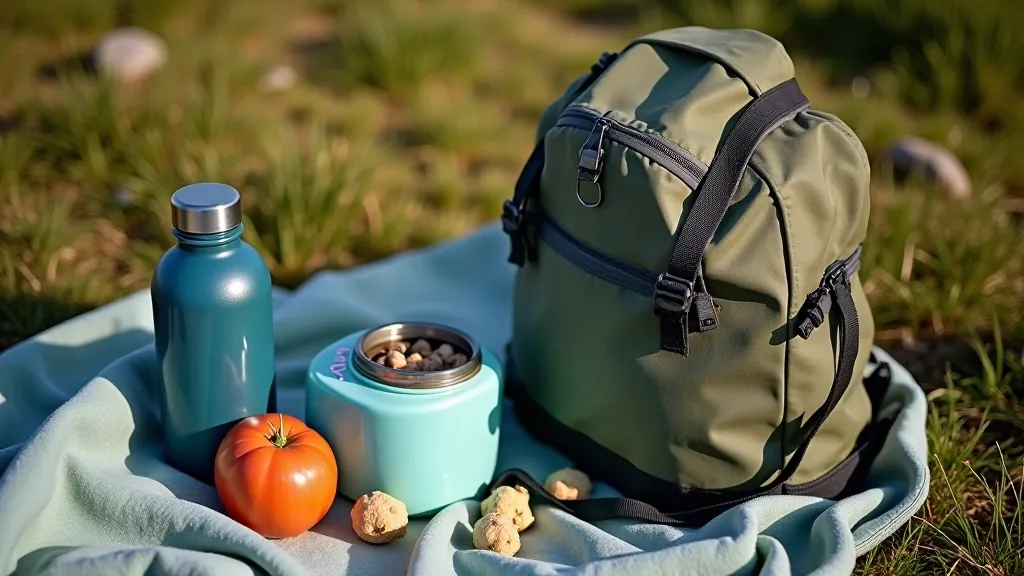
A proper water bottle beats plastic bags every time. We prefer insulated bottles because they keep water cool even in the sun. If you're walking in warmer months (May through September), the difference is noticeable. Your water stays drinkable rather than becoming warm and unappealing after an hour.
Pair water with snacks that won't spoil. Trail mix, dried fruit, nuts, energy bars — anything that gives you carbs and protein. Avoid chocolate on warm days and anything overly sugary. You want sustained energy, not a quick spike followed by a crash.
Listening to Your Body
Pacing isn't about following a rigid schedule. It's about learning what your body needs. Some days you'll have more energy. Other days, wind or earlier exertion means you need longer rests. That's normal. The Burren isn't going anywhere — you can always walk it again.
Watch for signs you need to rest sooner: heavy breathing that doesn't settle, legs feeling stiff, or that moment when the landscape stops feeling beautiful and starts feeling like an obstacle. These are signals to sit down, hydrate, and reset. There's zero shame in taking an extra break. In fact, the most experienced hikers are often the ones who rest frequently.
Three Signs It's Time to Rest Now
- Your breathing hasn't returned to normal after 5 minutes of steady walking
- Your legs feel heavier than they did 20 minutes ago
- You're no longer enjoying the view — you're just focusing on the ground
Rest Points on Popular Routes
Mullaghmore Loop (6km) has a proper bench at the 3km mark. Perfectly positioned. The Burren Way main trail has sheltered spots near Fanore (excellent views, good wind protection). Doolin area trails have stone walls you can lean against throughout.
If you're walking a route for the first time, ask locals or check with visitor centers. They know where the best rest spots are — not just benches, but places with shade in summer or shelter from wind in any season. That knowledge saves your legs and makes the experience genuinely enjoyable.
Making It Sustainable
The goal isn't to complete a route as quickly as possible. It's to walk regularly, enjoy yourself, and actually want to come back. That happens when you're not exhausted, dehydrated, and regretful. Pacing yourself properly — with deliberate rest stops and consistent hydration — is how you turn a single hike into a regular practice.
Start with routes you know you can manage. Mullaghmore Loop at 6km is solid for most people. Once you've done it with proper pacing a few times, you understand the rhythm. Then you can confidently try longer routes or more challenging terrain. That progression builds both fitness and confidence.
The Social Element
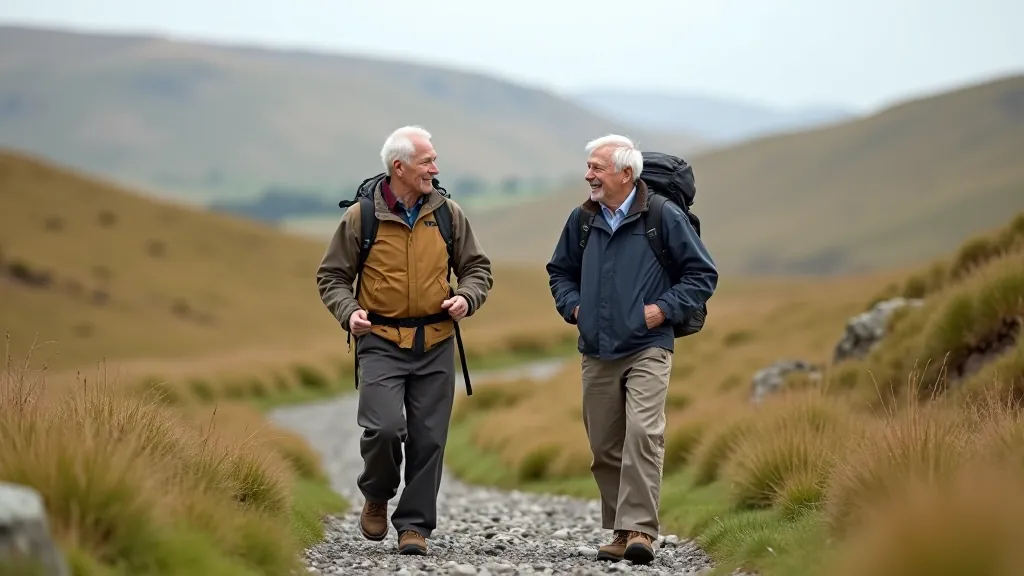
Walking with others makes pacing easier. You naturally slow down to match the group, and rest stops become social moments rather than fatigue management. Plus, conversation during walks makes the time pass differently. A 90-minute walk feels shorter when you're chatting with friends.
That's why we run group walks on the Burren. The pace is deliberately moderate, stops are built in, and people enjoy themselves. You're not racing. You're moving together, supporting each other, and creating a reason to come back.
Summary: Your Pacing Framework
Walk for 20–25 minutes, rest for 8–10 minutes. Carry 1.5 liters of water minimum and drink every 15–20 minutes. Find rest spots that offer comfort and a view. Listen to your body and rest when you need to, not when you think you should. This framework works whether you're doing 6km or 12km. The rhythm stays consistent.
Most importantly: you're not training for a race. You're moving through one of Ireland's most remarkable landscapes. That's worth doing slowly enough to actually experience it. Proper pacing isn't about limitation — it's about sustainability. It's what lets you walk the Burren regularly, year after year.
Important Note
This article provides general guidance based on experience with senior outdoor recreation. Individual fitness levels, medical conditions, and weather circumstances vary significantly. Always consult with your doctor before beginning any new walking routine, especially if you have existing health concerns. Weather on the Burren can change rapidly — check forecasts before heading out and bring appropriate gear. Walking with a guide or experienced companion is recommended if you're unfamiliar with the terrain.